
 Select Photos
Brayan
2026-04-14 06:33:01.032715
A Journey Through Time: Discovering the South Thang Long Heritage Road
Hanoi, the heart of Vietnam, is a city steeped in history, and the 'South Thang Long Heritage Road' offers one of the most authentic ways to experience its cultural depth. This route, winding through the southern districts of the capital, connects a series of ancient villages, historic pagodas, and traditional craft centers that have preserved the essence of Northern Vietnamese life for centuries. Traveling along this heritage road is like stepping back in time, away from the hustle and bustle of modern urban development. One of the highlights of the journey is the discovery of traditional craft villages where artisans still practice age-old techniques in ceramics, weaving, and woodworking. These villages are not just workshops but living museums where the cultural heritage of the Thang Long citadel is kept alive. The route also features numerous ancient pagodas and communal houses (dinh), which serve as the spiritual and social centers of the local communities. These architectural masterpieces often house precious artifacts and provide insight into the religious traditions of the region. Exploring the South Thang Long Heritage Road allows visitors to witness the peaceful rhythm of rural life, with its lush rice paddies, ancient banyan trees, and traditional arched gates. This initiative to promote the heritage road aims to diversify Hanoi's tourism offerings and encourage sustainable travel that benefits local communities. It provides an excellent opportunity for travelers to engage with locals, learn about their customs, and support traditional industries. For those looking to go beyond the typical tourist spots in Hanoi, this journey offers a profound connection to the roots of Vietnamese civilization. Whether you are a history buff, an architecture enthusiast, or simply a curious traveler, the South Thang Long Heritage Road promises a rich and rewarding experience that showcases the enduring spirit of Hanoi's cultural legacy.#HanoiHeritage , #SouthThang Long, #VietnamCulture , #TraditionalVillages , #HanoiTravel , #HiddenGems


Comment
Tonyteoh
2026-04-07 14:36:06.132769
The Unique Rope-Dropping Hu Tieu Noodle Shop in Ho Chi Minh City
In the bustling streets of Ho Chi Minh City, a unique culinary tradition has captured the curiosity of both locals and tourists: the 'rope-dropping' Hu Tieu shop. This ingenious method of serving food involves the vendor lowering bowls of steaming noodles from an upper floor using a simple rope and pulley system. This practice originated as a practical solution to space constraints in the city's narrow alleyways and multi-story houses, but it has since become a beloved cultural quirk. The shop offers a variety of Hu Tieu, a popular Vietnamese pork noodle soup known for its clear, savory broth and chewy rice noodles. Despite the unusual delivery method, the quality of the food remains the top priority. Each bowl is prepared with fresh ingredients, including sliced pork, shrimp, quail eggs, and crunchy bean sprouts, topped with fragrant fried shallots and herbs. Dining at this establishment offers a glimpse into the creative and resilient spirit of Saigon's street food scene. It is a reminder that in a rapidly modernizing city, traditional ways of life and unique local businesses continue to thrive. For foodies looking for an authentic and 'off-the-beaten-path' experience, this rope-dropping noodle shop is a must-visit. The sight of a bowl descending from above, accompanied by the friendly shouts of the vendor, creates a memorable dining atmosphere that you won't find anywhere else in the world. It is a perfect example of how Ho Chi Minh City's food culture is built on a foundation of community, innovation, and delicious, accessible meals.#SaigonStreetFood , #HuTieu , #HoChiMinhCity , #UniqueDining , #VietnamCulture , #HiddenGemsSaigon


shanterika
2026-04-06 07:30:05.614381
Ao Dai Journey: Connecting Hanoi's Tourism with Cultural Heritage
The 'Ao Dai Connects Tourism with Hanoi Heritage' event is a magnificent tribute to Vietnam's national garment and the storied history of its capital city. This journey brings together fashion, history, and tourism in a seamless celebration of identity. As participants walk through the ancient streets of Hanoi wearing the elegant Ao Dai, they create a living bridge between the past and the present. This gallery captures the essence of the event, showcasing a variety of Ao Dai designs—from traditional styles that honor centuries of craftsmanship to modern interpretations that appeal to the younger generation. The backdrop of Hanoi’s heritage sites, such as the Thang Long Imperial Citadel and the Temple of Literature, adds a layer of depth and significance to the visuals. This initiative is part of a broader effort to promote cultural tourism, encouraging visitors to experience the beauty of Vietnam through its traditions. The Ao Dai is more than just clothing; it is a symbol of grace, resilience, and national pride. This post discusses the impact of such events on local tourism and how they help preserve intangible heritage in a rapidly modernizing world. We highlight the stories of the designers and participants who make this journey possible. For travelers and culture enthusiasts, the sight of hundreds of people in Ao Dai against the historic landscape of Hanoi is an unforgettable experience. Join us as we explore the colors, textures, and emotions of this cultural journey that continues to inspire and connect people from all walks of life.#AoDaiHanoi , #VietnameseHeritage , #HanoiTourism , #CulturalFashion , #VietnamCulture , #AoDaiFestival


Davan sumana
2026-04-05 21:50:04.520796
Bat Trang Pottery Village Reopens: Resilience After the Floods
Bat Trang, the historic pottery village on the outskirts of Hanoi, has officially reopened its doors to tourists following a period of severe flooding. As reported by VnExpress Travel, the village is showing incredible resilience as artisans return to their wheels and kilns to revive one of Vietnam's most cherished traditional crafts. The recent floods caused significant challenges for the local community, but the spirit of Bat Trang remains unbroken. Visitors can once again explore the narrow alleys lined with ceramic shops, visit the Bat Trang Museum of Ceramic Art, and participate in hands-on pottery workshops. This reopening is a vital step in the economic recovery of the region, as tourism plays a crucial role in supporting the local craftsmen. Bat Trang is famous for its high-quality porcelain and ceramics, which have been exported globally for centuries. The village offers a unique blend of history and modern creativity, where ancient techniques are used to create contemporary designs. For travelers in Hanoi, a visit to Bat Trang is a must-see cultural experience that provides insight into the dedication required to maintain such a legacy. The recovery efforts have ensured that the village is safe and ready to welcome guests, with many shops offering special demonstrations to mark the return of tourism. Supporting Bat Trang now is more important than ever, as it helps preserve a vital piece of Vietnamese heritage. Whether you are looking for unique home decor or want to learn the art of pottery yourself, Bat Trang offers an enriching experience that transcends the typical tourist path. Witness the revival of this ancient village and see firsthand the beauty that emerges from the clay and the fire, even after the toughest of times.#BatTrang , #PotteryVillage , #HanoiTravel , #VietnamCulture , #ArtisanalCraft , #TravelRecovery


Quantoico
2026-04-05 19:18:04.621943
Bay Nui Cow Racing: An Giang's Thrilling Cultural Festival
Experience the adrenaline and cultural richness of the Bay Nui Cow Racing Festival in An Giang province, Vietnam. This gallery, following the coverage by VnExpress Travel, documents the tens of thousands of spectators who flock to the Seven Mountains region to witness one of the most unique and exciting sporting events in the Mekong Delta. Held annually as part of the Sene Dolta festival of the Khmer people, the cow race is a celebration of agricultural tradition, community spirit, and raw power. The images capture the intensity of the competition, with pairs of powerful cows thundering through muddy paddy fields, guided by brave and skillful drivers.The photography focuses on the dynamic action of the race—the splashing mud, the strained muscles of the animals, and the focused expressions of the racers. Beyond the speed, the gallery also highlights the vibrant atmosphere of the festival, with crowds cheering from the sidelines and the traditional music of the Khmer community filling the air. This event is more than just a race; it is a deep-rooted cultural tradition that honors the hard work of farmers and the importance of the water buffalo and cows in rural Vietnamese life. The Bay Nui region, with its stunning mountain backdrops and vast fields, provides a dramatic setting for this high-energy event.
For travelers and cultural enthusiasts, these images offer a window into a side of Vietnam that is steeped in history and local pride. The Bay Nui Cow Racing Festival is a testament to the diversity of Vietnam's ethnic groups and their ability to preserve unique traditions in the modern world. This collection serves as a visual record of the 2024 festivities, showcasing the scale of the event and the passion of everyone involved. Whether you are a fan of sports photography or interested in Southeast Asian culture, the sights and sounds of An Giang's cow racing are sure to leave a lasting impression. Explore the grit and glory of the Seven Mountains through this captivating photo series.
#AnGiang , #CowRacing , #BayNui , #VietnamCulture , #TravelVietnam , #KhmerFestival


Mylo
2026-04-05 10:12:03.255758
Ngo Boat Racing Festival Lights Up Nhieu Loc - Thi Nghe Canal
The vibrant energy of the Ngo Boat Racing (Đua ghe ngo) festival recently took over the Nhieu Loc - Thi Nghe canal in Ho Chi Minh City, drawing thousands of spectators to the water's edge. This traditional Khmer sport, usually associated with the Mekong Delta, has found a welcoming home in the heart of the city, bringing a burst of cultural heritage to the urban landscape. The event is more than just a race; it is a celebration of unity, strength, and the deep connection between the people and the waterways of Vietnam. As the long, colorful boats sliced through the water to the rhythm of drums and cheers, the atmosphere was electric.Spectators lined the bridges and banks of the Nhieu Loc - Thi Nghe canal to catch a glimpse of the intense competition. Teams of rowers, dressed in vibrant uniforms, demonstrated incredible synchronization and stamina. The Ngo boat racing festival is a key highlight of the cultural calendar, showcasing the diversity of Vietnam's ethnic traditions. The sight of these traditional vessels against the backdrop of Ho Chi Minh City's modern skyline creates a stunning visual contrast, making it a popular subject for local and international photographers. The event's success in the city reflects a growing appreciation for traditional festivals in modern urban environments.
According to reports from VnExpress Du lịch, the event attracted a diverse crowd, from local residents to foreign tourists, all eager to experience the excitement of the race. The revitalization of the Nhieu Loc - Thi Nghe canal has made it an ideal venue for such large-scale public events, contributing to the city's tourism appeal. Beyond the competition, the festival included cultural performances and food stalls, offering a full sensory experience of Khmer traditions. For anyone visiting Ho Chi Minh City during the festival season, witnessing the Ngo boat race is a must. It provides a unique opportunity to see ancient traditions thrive in a modern metropolis, celebrating the spirit of the community and the beauty of Vietnamese culture.
#NgoBoatRacing , #HoChiMinhCity , #VietnamCulture , #NhieuLocThiNghe , #TravelVietnam , #KhmerFestival


Iker
2026-04-05 00:14:03.578195
Cultural Heritage and Youth: The 'May Thom Ngang Doi' Event in HCMC
Ho Chi Minh City (HCMC) is a vibrant metropolis where tradition meets modernity, and the recent event 'Mây thơm ngang đời' (Fragrant Clouds Across Life) is a perfect example of this harmony. Organized to connect the younger generation with Vietnam's rich cultural heritage, the event has gathered significant attention from both locals and the international community. This initiative, highlighted by Báo Dân trí, aims to breathe new life into ancient traditions by presenting them in a way that resonates with today's youth.The 'Mây thơm ngang đời' event is more than just an exhibition; it is an immersive experience. It features various activities ranging from traditional music performances to workshops on ancient crafts and fashion. By bringing these di sản văn hóa (cultural heritages) into a modern context, the organizers hope to foster a sense of pride and ownership among young people in HCMC. In a world that is becoming increasingly globalized, preserving local identity is more important than ever, and this event serves as a vital bridge between the past and the future.
One of the highlights of the event is the focus on 'Ao Dai' and other traditional Vietnamese garments. Young participants are encouraged to wear and learn about the history of these clothes, transforming them from museum pieces into living fashion. For tourists and expats living in Vietnam, 'Mây thơm ngang đời' offers a unique window into the soul of the country. It showcases the resilience and beauty of Vietnamese culture, proving that it is not a static thing but a living, breathing entity that continues to evolve.
The success of the event in HCMC reflects a broader trend in Southeast Asia where cities are using cultural tourism to drive engagement and economic growth. By targeting the youth, 'Mây thơm ngang đời' ensures that the stories and skills of previous generations are not lost. The title itself, 'Fragrant Clouds Across Life,' evokes a sense of nostalgia and beauty, suggesting that culture is something that floats through our lives, enriching everything it touches.
As reported by Báo Dân trí, the event has seen a high turnout, with many young people sharing their experiences on social media, further amplifying the message of cultural preservation. This digital engagement is crucial for the modern success of heritage projects. Whether you are a history buff, a culture enthusiast, or simply someone looking to experience the heart of Ho Chi Minh City, 'Mây thơm ngang đời' is a testament to the enduring power of tradition in a fast-changing world. Let us celebrate the efforts of HCMC in keeping its heritage alive and fragrant for generations to come.
#HCMC , #VietnamCulture , #CulturalHeritage , #MayThomNgangDoi , #YouthEngagement , #SaigonEvents


Kingsley
2026-04-04 04:52:03.105689
The Mystery of Hanoi’s 'Clone' Streets: Why Dozens of Shops Share the Same Name?
Navigating the labyrinthine streets of Hanoi’s Old Quarter is an adventure in itself, but first-time visitors are often baffled by a peculiar phenomenon: entire streets where almost every shop shares the exact same name. Whether it is 'Pho Gia Truyen' or 'Bun Cha Huong Lien,' seeing the same brand repeated dozens of times on a single block can be incredibly confusing. This isn't a glitch in the city's planning; it is a fascinating aspect of Vietnamese commercial culture and the history of specialized trade streets.Historically, Hanoi’s streets were organized by trade (the 'Hang' streets). For example, Hang Bac was for silver, and Hang Gai was for silk. In modern times, this tradition has evolved into 'food clusters.' When one shop becomes famous for a particular dish, neighboring shops often adopt the same or a very similar name to capitalize on the original's reputation. This leads to a 'clustering effect' where a single street becomes the go-to destination for a specific delicacy, but it also makes finding the 'original' or 'authentic' shop a challenge for tourists.
To find the true gem among the clones, locals often look for the shop with the longest queue or the oldest-looking signage. However, in many cases, the 'clones' are actually run by relatives of the original owner who have branched out, maintaining a similar quality and recipe. This competitive yet communal atmosphere is what keeps Hanoi’s food scene so dynamic and affordable.
For Western travelers, understanding this quirk is key to enjoying the city without frustration. It reflects a different approach to branding and intellectual property, where a name becomes a category of food rather than just a single business entity. Next time you find yourself on a street with ten 'Pho Bo' signs, take a moment to observe the hustle and bustle. Each shop has its own personality, and sometimes the 'copy' can be just as delicious as the original. Embrace the chaos, follow your nose, and enjoy the unique urban tapestry that makes Hanoi one of the most interesting cities in the world.
#HanoiTravel , #VietnamCulture , #OldQuarterHanoi , #TravelTips , #ExploreVietnam , #HanoiStreets , #AuthenticTravel


bYuiFmJjpeA
2026-04-04 03:38:02.996267
The Dusty Village of the Heritage City: A Glimpse into Traditional Craft and Resilience
In the heart of a region celebrated for its UNESCO World Heritage status and ancient architecture, there exists a starkly different reality in a small, local village. Known colloquially as the 'village of dust,' this community lives in a constant haze, a byproduct of the very traditional crafts that have sustained it for generations. This gallery provides a poignant look at the life and environment of this village, where the air is thick with particles from lime burning, stone carving, or incense making. It is a story of tradition, industry, and the environmental challenges faced by heritage cities in the modern era.The visual contrast is striking. While the nearby heritage sites are meticulously preserved and polished for tourists, this village is covered in a layer of fine, white or grey dust. Every leaf, rooftop, and road bears the mark of the local industry. Yet, within this 'dusty' environment, there is a vibrant community of skilled artisans. These are the people who produce the materials necessary for the restoration of the very heritage sites that tourists flock to see. The dust is a sign of productivity, but it also speaks to the hardships of the work. The photography captures the workers in their elements, often masked against the particles, their hands showing the wear and tear of years of labor.
This gallery aims to go beyond the surface level of a 'dusty village' to show the human stories behind the haze. It explores the delicate balance between maintaining traditional livelihoods and protecting the health and environment of the residents. As the heritage city grows and modernizes, the future of these traditional craft villages remains uncertain. Will they be moved, modernized, or left to continue as they have for centuries? Through these images, we see the resilience of the villagers and the unique aesthetic of a place where time seems to have stood still, even as it is literally covered in the remnants of its own work. It is a powerful reminder that the beauty of a heritage city is often built on the grit and dust of the surrounding communities. This collection is a must-see for those interested in the intersection of culture, industry, and environmentalism in Vietnam.
#HeritageCity , #CraftVillage , #TraditionalIndustry , #VietnamCulture , #DocumentaryPhotography , #EnvironmentalAwareness


tovij
2026-04-01 21:28:12.191793
Ba Den Mountain Spring Festival: A Cultural Spectacle Attracting Hundreds of Thousands to Tay Ninh
The Ba Den Mountain Spring Festival (Hội xuân núi Bà Đen) is one of the most significant cultural and religious events in Southern Vietnam. Held annually during the first lunar month, the festival attracts hundreds of thousands of visitors to the sacred slopes of Mount Bà Đen in Tay Ninh. This vibrant celebration is a blend of spiritual devotion, traditional folk performances, and modern tourism, creating an atmosphere that is both solemn and festive. It is a time when the mountain truly comes alive with color, music, and the collective energy of thousands of pilgrims.Visitors to the Spring Festival can participate in various traditional rituals, including offering incense at the Linh Son Thanh Mau Temple and seeking blessings for a prosperous new year. The festival also features a wide array of cultural activities such as lion dances, traditional music performances, and local culinary fairs. The mountain itself, adorned with thousands of flowers and decorative lights, serves as a stunning natural stage for these events. The recent upgrades to the cable car system and the development of the summit area have made it possible for more people than ever to experience the beauty and spirituality of the site without the physical strain of the climb.
For the province of Tay Ninh, the Ba Den Mountain Spring Festival is a major economic driver and a point of regional pride. It showcases the area's rich heritage and its capacity to host large-scale international events. For tourists, it offers a rare opportunity to see Vietnamese traditions in their most vibrant form. The combination of the giant Buddha statue, the ancient pagodas, and the festive crowds makes for a powerful visual and emotional experience. If you are planning a trip to Vietnam in the early months of the year, witnessing the Spring Festival at Ba Den Mountain is an essential activity to understand the heart and soul of the local culture.
#BaDenMountain , #SpringFestival , #TayNinhTourism , #VietnamCulture , #LunarNewYear , #TravelVietnam


jikle
2026-04-01 18:46:13.659695
5 Captivating Chinese Pagodas in Ho Chi Minh City for Lunar New Year
The first lunar month, known as 'Thang Gieng,' is a vibrant time in Ho Chi Minh City, particularly within the historic district of Cho Lon. This area is home to some of the most beautiful and culturally significant Chinese pagodas in Vietnam. For locals and tourists alike, visiting these temples is a tradition to pray for luck, health, and prosperity. One of the most famous is the Ba Thien Hau Pagoda (Temple of the Lady Thien Hau), located on Nguyen Trai Street. Its intricate porcelain dioramas and massive incense coils hanging from the ceiling create a mystical atmosphere. Another must-visit is the On Lang Pagoda, known for its stunning Fujian-style architecture and vibrant colors. These temples are not just places of worship but architectural masterpieces that tell the story of the Chinese community's integration into Saigon. The Phuoc An Hoi Quan Pagoda is another gem, famous for its detailed wood carvings and the sacred horse statue that visitors stroke for good luck. During the first month of the year, these sites are filled with the scent of sandalwood and the sound of traditional prayers. Visitors can observe unique rituals, such as writing wishes on red paper and attaching them to incense coils. The architecture often features 'yin-yang' roof tiles and ornate dragon motifs, representing power and protection. Exploring these five pagodas offers a deep dive into the spiritual life of Ho Chi Minh City, away from the hustle of modern skyscrapers. It is a journey through time, where ancient traditions are preserved with modern devotion. Whether you are interested in history, photography, or spirituality, the Chinese pagodas of District 5 provide a colorful and soul-stirring experience during the spring festival season.#SaigonTravel , #ChinesePagoda , #HoChiMinhCity , #LunarNewYear , #ChoLon , #VietnamCulture , #TravelSaigon


Carmen
2026-04-01 17:58:04.291559
Tam Chuc Pagoda Spring Festival: A Spiritual Journey in Vietnam
The Tam Chuc Pagoda Spring Festival is one of the most significant cultural and spiritual events in northern Vietnam, marking the beginning of the lunar year with prayers for peace and prosperity. Located in Ha Nam province, Tam Chuc is known as the largest pagoda complex in the world, sitting amidst a breathtaking landscape of mountains and water. The 'Chùa Tam Chúc khai hội xuân' announcement by VnExpress Du lịch signals the start of a season filled with traditional rituals, festive activities, and thousands of pilgrims seeking a spiritual connection. Visiting Tam Chuc during the spring festival is an immersive experience that showcases the deep-rooted Buddhist traditions of Vietnam.The festival is not only a religious event but also a major attraction for tourists who want to admire the stunning architecture and natural beauty of the region. The pagoda complex is built with intricate stone carvings and traditional wooden structures, all set against the backdrop of the Luc Ngan Lake. During the spring festival, the atmosphere is electric with the scent of incense, the sound of bells, and the sight of colorful decorations. Travelers can take a boat trip across the lake to reach the main pagoda area, offering a panoramic view of the 'Ha Long Bay on land.' It is a time when the community comes together to celebrate their heritage and look forward to a bright future.
For those planning a trip to Vietnam in the early months of the year, the Tam Chuc Pagoda Spring Festival is a must-see. It provides a unique window into the spiritual life of the Vietnamese people and offers a peaceful retreat into nature. The festival includes various folk games, cultural performances, and the opportunity to participate in traditional ceremonies. As reported by VnExpress, the scale of the festival grows every year, reflecting the increasing importance of Tam Chuc as a center for tourism and spirituality. Make sure to prepare for the crowds and dress respectfully as you embark on this beautiful spring journey through one of Vietnam's most iconic landmarks.
#TamChucPagoda , #SpringFestival , #VietnamCulture , #TravelVietnam , #SpiritualJourney , #HaNam


Lorenzo
2026-03-27 09:24:02.855933
The Controversial 'Flour Rain' Tradition at Vietnam's Lam Chay Festival Despite Official Bans
The Lam Chay Festival in Long An province, Vietnam, is one of the most unique and vibrant cultural events in the Mekong Delta. However, in recent years, it has become the center of a debate regarding tradition versus modern safety regulations. The most famous—and controversial—aspect of the festival is the 'flour rain,' where participants throw large amounts of white flour into the air and over each other as a way to pray for luck, health, and a prosperous year.Despite official bans from local authorities aimed at ensuring public order, environmental cleanliness, and safety, the 'flour rain' persisted during the most recent celebrations. For many locals and visitors, the act of throwing flour is an inseparable part of the festival's spirit. It creates a chaotic yet joyous atmosphere that symbolizes the washing away of bad luck. However, the authorities have raised concerns about the respiratory health of participants, the mess left behind in the streets, and the potential for fire hazards in crowded areas.
The Lam Chay Festival itself is a rich tapestry of spiritual rituals, including ceremonies to pray for peace and the 'burning of the ghost king' (Ong Tieu). It attracts tens of thousands of people who come to pay their respects and enjoy the festivities. The persistence of the flour-throwing tradition highlights the challenge of managing cultural heritage in a changing world. While the government seeks to modernize and regulate public events, the deep-seated customs of the community often prove difficult to suppress.
Visitors to the festival describe an electric environment where the air turns white with powder. While some see it as a nuisance, others view it as a vital expression of communal joy. As the Lam Chay Festival continues to grow in popularity, the dialogue between organizers and the public remains crucial. Finding a balance between preserving these unique local customs and ensuring the safety of all attendees is the next step for this historic Vietnamese celebration.
#LamChayFestival , #VietnamCulture , #FlourRain , #LongAn , #TraditionalFestivals , #TravelVietnam , #CulturalHeritage


Wollies
2026-03-27 01:46:03.412880
Historic Cultural Parade in Ho Chi Minh City: 1,000 Participants Celebrate Traditional Vietnamese Costumes
Ho Chi Minh City recently became a vibrant canvas of color and tradition as it hosted a monumental event: a parade featuring over 1,000 participants dressed in traditional Vietnamese costumes. This event, as reported by VnExpress Travel, marks a significant moment in the revitalization of Vietnam's cultural heritage. The parade showcased a wide array of historical garments, including the iconic Ao Dai, the regal Nhat Binh, and various other regional attires that have defined the Vietnamese identity for centuries. This massive gathering in the heart of the city was not just a display of fashion but a powerful statement of national pride and cultural preservation.Walking through the bustling streets of TP HCM, the participants created a bridge between the past and the present. For many locals and tourists alike, seeing such a large-scale representation of ancient Vietnamese clothing was a rare and breathtaking experience. The event aimed to promote tourism and educate the younger generation about the depth of their history. The intricate embroidery, the symbolic colors, and the graceful silhouettes of the costumes told stories of dynasties long gone and traditions that continue to thrive.
This cultural festival highlights Ho Chi Minh City's role as a hub for both modern development and historical appreciation. By bringing together over 1,000 people for this parade, the organizers have successfully fostered a sense of community and shared heritage. The visual impact of the event has resonated across social media, drawing international attention to the beauty of Vietnamese 'co phuc' (ancient costumes). For travelers planning a visit to Vietnam, events like these offer a unique insight into the soul of the country. The success of this parade suggests a growing movement among the youth to reclaim and wear their traditional heritage with pride in everyday modern life. This is a must-see highlight for anyone interested in Southeast Asian culture, history, and the enduring beauty of traditional craftsmanship.
#VietnamCulture , #HoChiMinhCity , #TraditionalCostume , #AoDai , #VnExpressTravel , #VietnameseHeritage , #CulturalParade


Aitana
2026-03-26 22:22:11.045105
Talented 14-Year-Old Student Crowned Beauty Queen at Local Hometown Festival
The local community was recently captivated by the grace and poise of a 14-year-old student who was crowned the beauty queen of her hometown festival. This event, which celebrates local culture and youth talent, saw a high level of competition, yet the young winner stood out for her natural beauty and impressive performance in the traditional costume and talent segments. Such festivals are a vital part of Vietnamese rural culture, providing a platform for the younger generation to connect with their roots while showcasing their modern aspirations. The crowning of such a young participant highlights the wealth of talent and potential found in local provinces. Beyond her physical appearance, the judges praised her intelligence and her commitment to her studies, making her a role model for other students in the area. The festival itself featured traditional music, folk games, and local delicacies, drawing large crowds from neighboring districts. This victory has brought a sense of pride to her school and family, emphasizing the importance of community support in nurturing young talent. As she balances her new title with her education, the young queen aims to use her platform to promote local tourism and cultural preservation. Her story is a testament to the vibrant spirit of Vietnam's youth and the enduring appeal of traditional village festivals in the modern age.#BeautyPageant , #HometownFestival , #VietnamCulture , #YouthTalent , #LocalHeritage , #Inspiration


Rian
2026-03-26 13:52:03.047786
Lion and Dragon Dance Recognized as Intangible Cultural Heritage in Vietnam
In a significant move to preserve traditional performing arts, the Art of Lion and Dragon Dance (Lân Sư Rồng) has been officially recognized as a National Intangible Cultural Heritage in Vietnam. This prestigious designation honors the generations of performers who have kept this vibrant tradition alive and acknowledges its deep roots in Vietnamese culture and community life. The Lion and Dragon dance is more than just a performance; it is a symbol of luck, prosperity, and strength, often performed during the Lunar New Year (Tết), Mid-Autumn Festival, and other major celebrations.The recognition comes after years of advocacy by cultural experts and practitioners who have worked to document the unique styles and techniques found across different regions of Vietnam. From the powerful movements of the Southern lion troupes to the intricate choreography of the dragon dances, this art form requires immense physical strength, coordination, and a deep understanding of traditional music and rhythm. The performers, often trained from a young age in martial arts, bring the mythical creatures to life through a series of acrobatic leaps and synchronized movements.
This heritage status will provide a framework for the continued protection and promotion of the Lion and Dragon dance. It encourages the establishment of more clubs and training centers, ensuring that the skills are passed down to the younger generation. For the people of Vietnam, this recognition is a source of immense pride, reinforcing the importance of maintaining cultural identity in a rapidly modernizing world. Visitors to Vietnam can experience the energy and excitement of these performances in festivals across the country, where the sound of drums and the sight of colorful lions dancing through the streets create an unforgettable atmosphere. This milestone ensures that the Art of Lion and Dragon Dance will remain a cornerstone of Vietnamese cultural festivities for years to come.
#LionDance , #DragonDance , #VietnamCulture , #IntangibleHeritage , #TraditionalArts , #LanSuRong


Arthur
2026-03-25 22:14:02.842374
Celebrating Reunification Day: Massive Crowds Gather at Ho Chi Minh Mausoleum for Historic Photos
April 30th, known as Reunification Day, is one of the most significant holidays in Vietnam, and nowhere is the patriotic spirit more palpable than at the Ho Chi Minh Mausoleum in Hanoi. This year, the landmark saw an extraordinary influx of visitors from all over the country and abroad. People dressed in their finest attire, including the traditional Ao Dai and shirts featuring the national flag, gathered to pay their respects and capture commemorative photos. The atmosphere was one of pride and reflection as families shared stories of the nation's history with the younger generation. The Ho Chi Minh Mausoleum is not just a monument; it is a symbol of national unity and the enduring legacy of President Ho Chi Minh. Despite the large crowds, the area remained organized and respectful, with many waiting patiently for their turn to take a picture in front of the historic site. For international tourists, witnessing this level of national devotion provides a unique cultural insight into the heart of Vietnam. The surrounding Ba Dinh Square was filled with a sense of celebration, further enhanced by the beautiful floral displays and the solemn guard mounting ceremony. This annual gathering serves as a powerful reminder of the country's journey toward peace and development. If you are visiting Hanoi during this time, the energy around the Mausoleum is an experience you won't want to miss, offering a deep connection to the history and soul of the Vietnamese people.#HoChiMinhMausoleum , #HanoiVietnam , #ReunificationDay , #VietnamCulture , #HistoricHanoi , #TravelVietnam


Phong Le
2026-02-20 14:49:02.112467
Discover the Cultural Heritage of An Giang: A Journey Through Vietnam’s Mekong Delta Community Tourism and Traditional Craft Villages
Explore the heart of the Mekong Delta with a visit to An Giang, a hidden gem in southern Vietnam where tradition and community thrive. This breathtaking destination is a cultural crossroads, blending the unique heritages of the Cham, Khmer, and Kinh people. As you wander through the lush landscapes, you’ll encounter vibrant traditional craft villages that have preserved their techniques for generations. From the intricate art of hand-weaving colorful textiles to the serene beauty of the river-side lifestyle, An Giang offers an authentic travel experience unlike any other. Witness the meticulous process of local artisans at work, creating stunning fabrics that tell stories of their ancestors. This region is not just a gateway to the sea; it is a gateway to the soul of Vietnam. Ideal for eco-conscious travelers and photography enthusiasts, An Giang’s community-based tourism initiatives allow you to engage directly with local families. Whether you are exploring the floating seasons or visiting the majestic Tra Su Cajuput Forest, every moment captures the essence of rural charm. Immerse yourself in the local identity, taste the regional flavors, and take home memories of a land where nature and culture coexist in perfect harmony. Plan your next adventure to this peaceful corner of the world and discover why An Giang is becoming a top destination for those seeking meaningful travel experiences in Southeast Asia. Experience the authentic spirit of the Mekong with An Giang tourism, item reference AG-TOUR-53BA.#AnGiangVietnam , #MekongDeltaTravel , #CommunityTourism , #VietnamCulture , #HiddenGemsAsia , #TraditionalCrafts , #TravelVietnam , #SustainableTourism


SEBETvPbweyin
2026-01-11 18:36:29.158102
Vibrant Red Pomelo Harvest: A Symbol of Luck for Lunar New Year
As the Lunar New Year approaches, the tranquil orchards on the outskirts of Hanoi transform into a vibrant canvas of red and green. Farmers are busy harvesting the rare red skinned pomelos, a fruit deeply cherished for its symbolic connection to prosperity and good fortune. There is something profoundly poetic about the way the morning light catches the velvety texture of the pomelos, hanging like natural ornaments amidst the lush foliage. The farmers move with a practiced grace, their weathered hands reflecting years of dedication to preserving this auspicious tradition. This scene is a beautiful blend of rustic charm and cultural heritage, where the earthy tones of the countryside meet the brilliant crimson of the harvest. It is more than just agricultural work; it is an artistic celebration of nature's bounty and the hopeful spirit of Tet, inviting us to appreciate the simple yet profound beauty of Vietnamese rural life during the most sacred time of the year.#LunarNewYear #VietnamCulture #RedPomelo #TravelPhotography #SpringVibes


Đông Hoàng
2026-01-05 13:14:59.051323
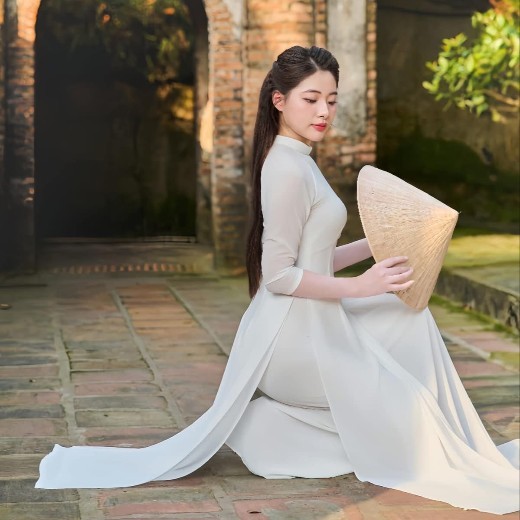
Vietnamese Beauty: Elegant Girl in White Ao Dai, Conical Hat with Yellow Flowers in Ancient Garden
This beautiful photograph captures the graceful image of a Vietnamese young woman in a pristine white ao dai, a symbol of traditional beauty. Her conical hat, adorned with vibrant yellow flowers, creates a radiant highlight, enhancing her elegant and gentle demeanor. She is gently strolling on an ancient stone bridge, amidst the lush green expanse of a peaceful garden. The poetic scenery, blending traditional architecture with fresh nature, further accentuates the character's ethereal beauty, deeply imbued with the Vietnamese spirit. This serene moment evokes timeless cultural values and the enduring charm of Vietnam.#WhiteAoDai #ConicalHat #VietnameseBeauty #VietnameseGirl #VietnamCulture


Stories
-
Creat Your Story
time to story
-

Anna Mull
1 hour ago
-

Ira Membrit
4 hour ago
-

Bob Frapples
9 hour ago
Events
-

Web Workshop
1 hour ago
-

Fun Events and Festivals
1 hour ago
Upcoming Birthday
-
Anna Sthesia
Today
-

Paul Molive
Tomorrow